
Everyone in Rooster is a little messy and I am here for it.
The new wave of comedy, notably dramedies like Ted Lasso, Shrinking, The Bear and most recently Rooster, offer equal parts emotional depth, absurdity and a sprinkle of something we all need right now—hope.
Rooster delivers a little bit of everything in each character, offering dimension to characters. It's the adorable and terrible nature of them all, or adhorrible as I coined while watching, that makes them so relatable.
Steve Carell is in all his awkward glory. If there were a trope opposite to fools' luck, it would be Professor Russo. Not even in a one-sided hook-up with Cristle, brilliantly played by Annie Mumulo, or Dylan’s double rejection in episode 1, played with scintillating sharpness by Danielle Deadwyller. She punctuates the scene by breaking her door’s window to escape him. Russo never dips a toe into the pool of irredeemable.
Aside from the arrogant buffoon, Archie, played to the incredible punchable-face level by the brilliant Phil Dunster, the characters are all trying their best. They fail miserably but are completely self-aware. Instead of wallowing, they all pick themselves up and keep going.
John Maginley’s Walter could merely be everything we hate about old white men in power, but he’s also eager for friendship and for those friends to succeed. He and Russo ride ebikes toward the end of the season while uttering “We could be a gang.” Equal parts touching and heartbreaking. I hunger for more representation of male friendship through connection and vulnerability. Truly its own kind of optimism and an antidote for the tough-boy, gym-bro, anti-feeling and women-hating version perpetuated in other media.
Rooster characters dig deeper, do better, and don’t accept crap treatment. This brand of hope isn’t that people change overnight or have these miraculous character arcs; it's that they keep trying.
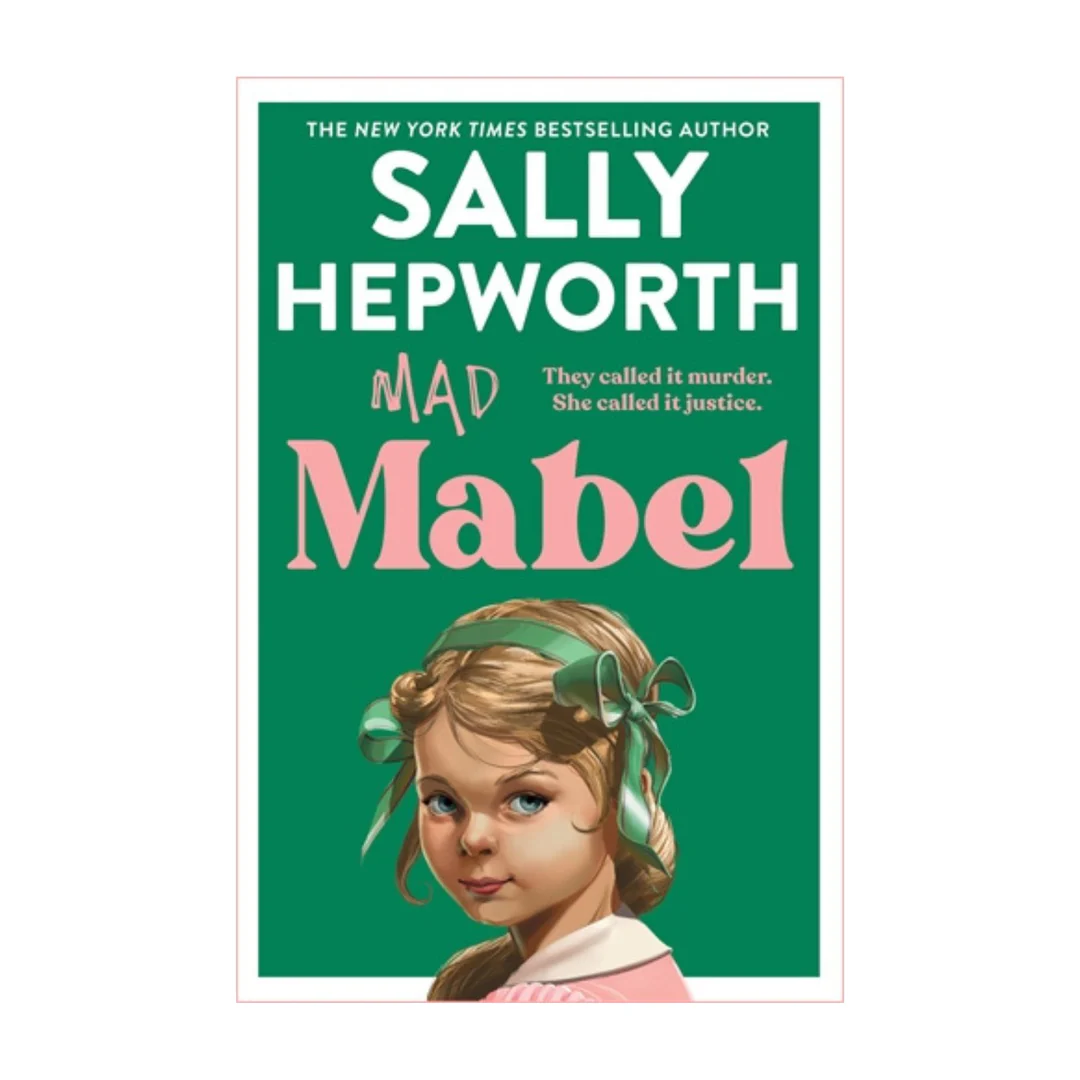
Mad Mabel by Sally Hepworth. Cover image courtesy of the publisher.
Sometimes I can’t put away my writer-hat while I am reading. Which is handy because then every book can become its own masterclass in craft. Mad Mabel by Sally Hepworth is an exemplar of literary voice. One part the wit of Dorothy or Sophia from The Golden Girls, one part the curmudgeon of Ove in A Man Called Ove, Mabel jumps off the page, and you instantly know her.
Told in dual timelines, the chapters are short and keep an excellent pace. The reader simultaneously uncovers a mystery while growing compassion for Mabel, so much so that they are left questioning their own sense of right and wrong.
A morally grey, feisty female protagonist in her golden years, there is a lot to love in Mabel. Perhaps sanity is subjective, as the tagline suggests, but, in insane circumstances, aren’t we all a little mad here?
Stay in the niche. There's more where this came from on our newsletter...subscribe now.