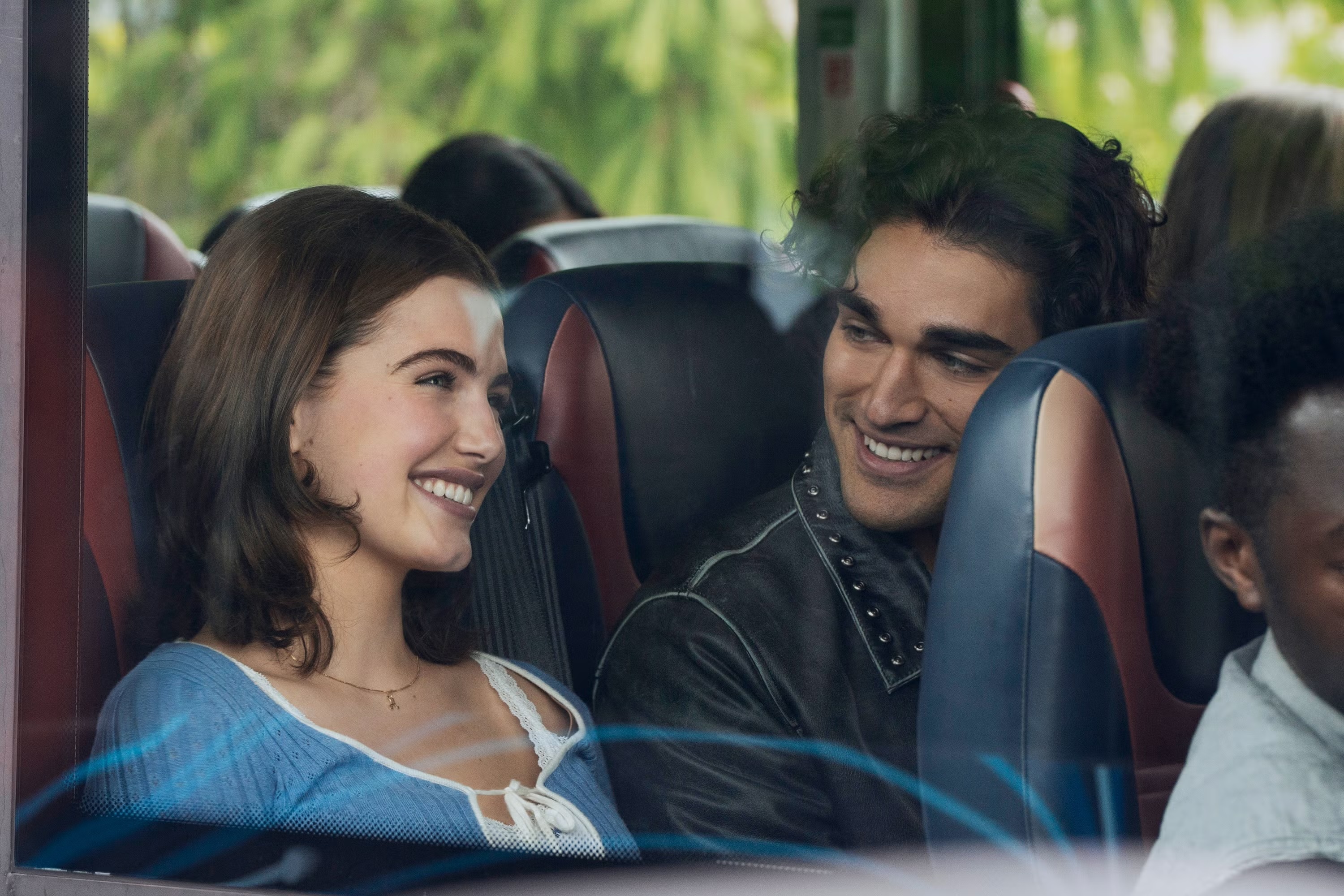
Despite lower sales in all other genres, romance continues to grow, cited as representing 23% of all book sales in the US. I have to make a confession. I was a total snob when it came to romance books. Nineties romcoms—featuring good-looking couples getting together through highly contrived circumstances, breaking up, then living happily ever after despite the odds—made for a delicious night with my sisters and popcorn. Movie fluff? Yes. In a book? Ew.
Then I did something that shattered my perception. I wrote a romance short story called “Another Fish in the Sea.” Did it expound on my decades of advocating for women’s health, my staunch feminist values? No. But it was satisfying to take a framework and weave my own voice into it without sounding tired, or like I had sat with a thesaurus finding as many synonyms as possible for tumescent. It was a challenge which led me to check out books by Emily Henry and Abby Jimenez. I loved them, even as a card-carrying feminist.
What struck me while reading reviews was how women responded to the male protagonist. Whereas so many more historical versions of romance focused on brazen women who defied societal odds, or with Bridget Jones’ Diary, the birth of chick lit, and the messy female protagonist who gets the guy despite her own shortcomings, more recent iterations of romance focus on the amazing qualities a male protagonist can have. Mainly, they are emotionally available, attuned, and create safety for their partner. This recipe for closeness erupts in many sexual encounters. Critics of this genre say they are not “real men,” but rather men written by women. I wonder, in the time where so many men complain of the male loneliness epidemic, is this not a road map to its cure? There is an enormous disparity between what women want and what men offer. As we can attest to the recent success of Off Campus and other horny hockey media, we’re not asking men to cast off their historically engendered senses of selves. These characters are still brute jocks, but we’re asking for a little more substance.
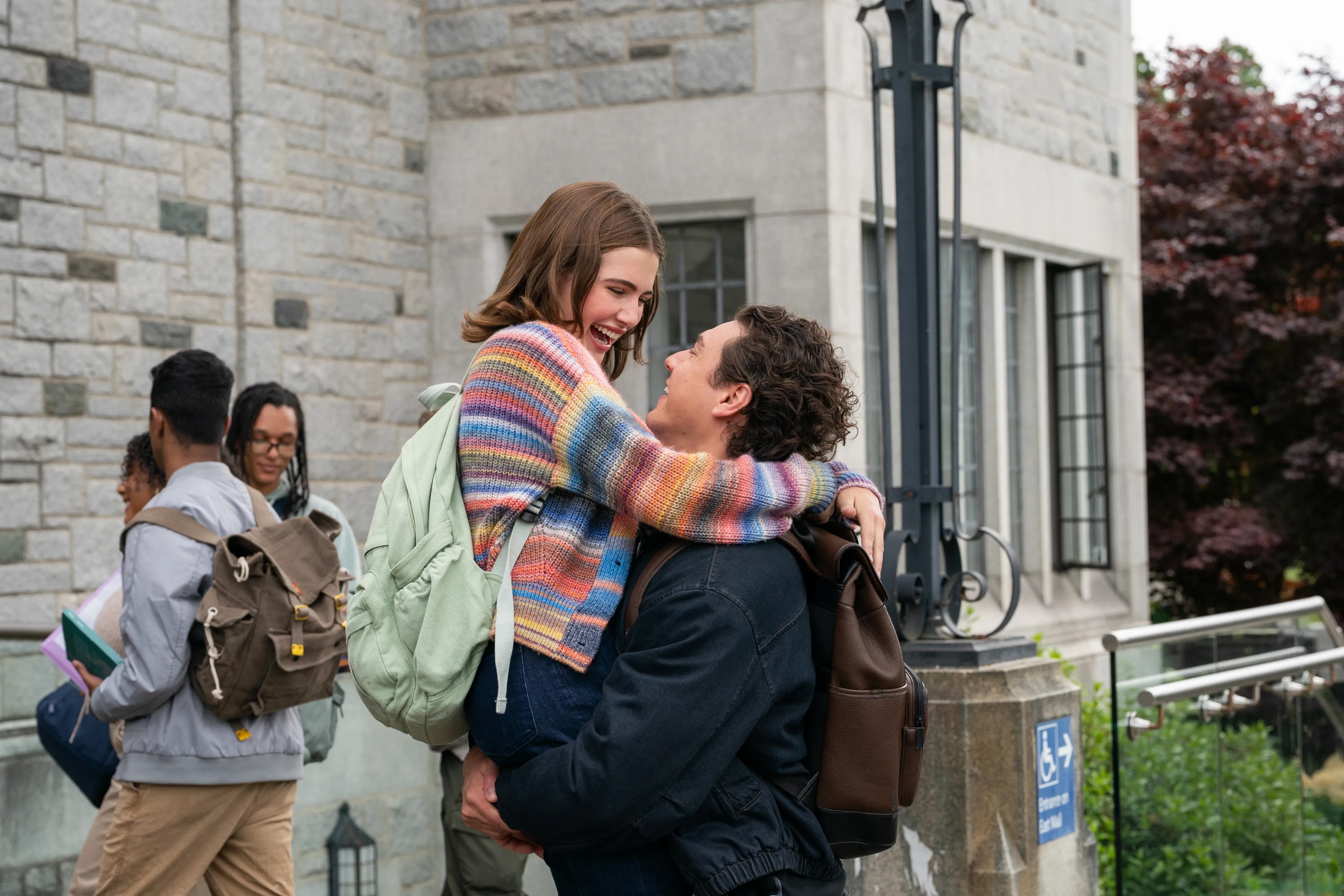
Ella Bright as Hannah Wells and Belmont Cameli as Garret Graham in 'Off Campus.' Photo: Prime Video
A billion-dollar book genre suggests women are not disinterested in men, but are asking them to show up differently. These books are not an emasculation of men, but a demand to step up and become emotionally intelligent. This is not a huge request.
It’s a macrocosm for what I see regularly in my clients for couples counselling, amongst heterosexual couples' discordant bids for affection. She wants partnership and emotional connection to be physical; he wants physical contact to feel connection. They are at an impasse unless something, or someone, shifts. What is even more heartbreaking is that this is a socially conditioned circumstance. Bodies born of the male sex are, in fact, more sensitive to certain emotional stimuli, but there is not a lot of room for the expression of this in antiquated gender norms.
Like many people who dismissed romance for years, I eventually had to reconsider my assumptions. With a little effort and imagination, I found myself engaging with a genre I had once written off—and it even led to a publishing opportunity. That shift in perspective made me wonder about something larger: what might change if more men approached intimacy with the same basic question that romance fiction keeps returning to—what does my partner want?
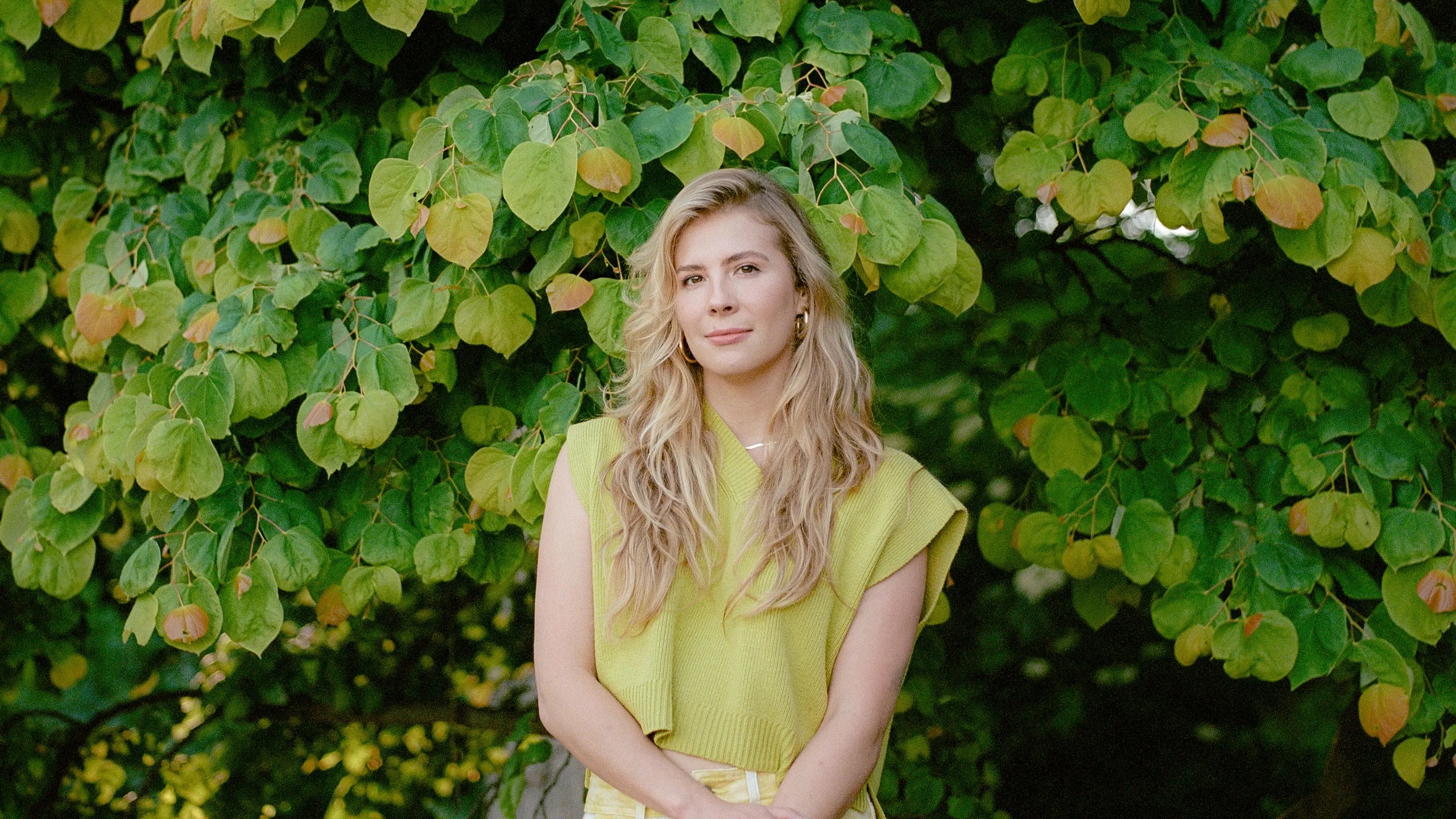
Emily Henry, a staple name in contemporary romance, photographed by Madeleine Hordinski.
There is a scene in a gym between Garrett and Dean in the Off Campus adaptation where Garrett asks Dean about how to make things good for Hannah. It doesn’t devolve into objectifying her, or discussing body counts, which has historically passed as toxic speak for male sexuality at best, and a justification of rape culture at worst. They talk candidly about consent and emotional safety. It’s seriously the hottest thing I have seen two men do since Heated Rivalry. The swoon of 36 million viewers is not merely due to the broadness of their chests and backs. We know toxic behaviours can come in all manner of packages. It’s that these men are portraying a new masculinity. These actors are depicting men who listened. Access to our bodies is more than transactional, and our bodies are more than just objects to conquer and possess.
Women are whole people. Imagine that? Sex with us requires the capacity to be a whole person.
Trying to write for this genre is no small feat. It requires discernment, deftness in observing and listening, and self-regulation. Women know what they want. Authors have made a lot of money in giving it to them. Will men take part in their own salvation from the male loneliness epidemic and start taking notes?
Stay in the niche. There's more where this came from on our newsletter...subscribe now.