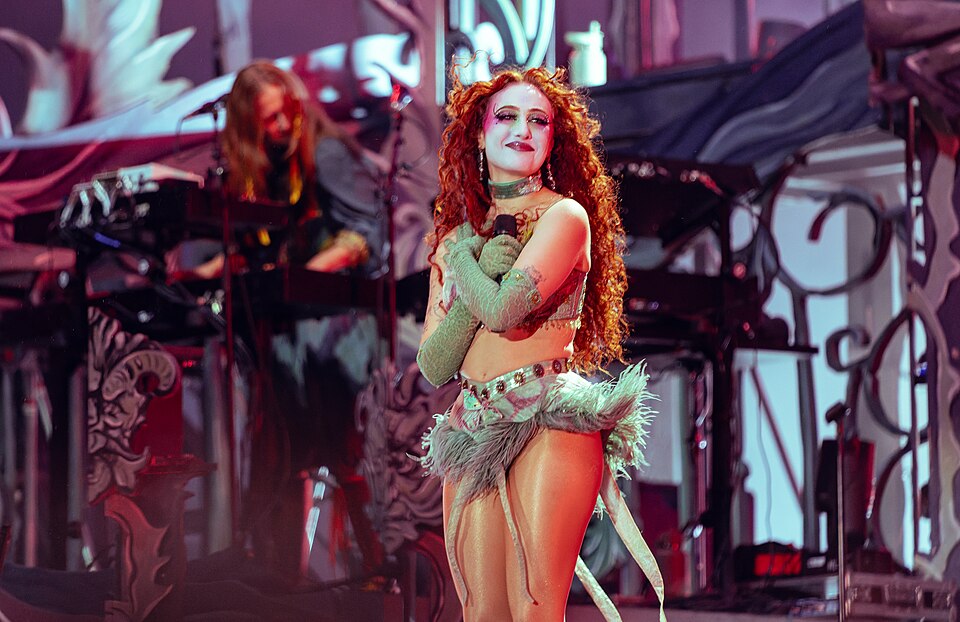
Female empowerment, it seems, is having a bit of a moment in the cultural zeitgeist.
We’re currently in the throes of a shift in which contemporary young women are challenging the limitations of female autonomy. Young women who seem to know their self-worth far more than their older brethren, who assert bodily refusal and defend their psychological peace. For these women, this is not merely acceptable behaviour—it is standard operating procedure. This generation has systematically transformed the historic "no means no" trope into a comprehensive, non-negotiable framework of social rules in which consent is an absolute prerequisite for engagement. Yet when this revolutionary boundary-work intersects with the machinations of fame, a glaring patriarchal double standard is exposed. As a society, we enthusiastically celebrate the boundary-setting of everyday women. However, when famous Gen Z women like American pop singer Chappell Roan demand these same rights over their own bodies and energy, they are met with fierce backlash and entitlement.
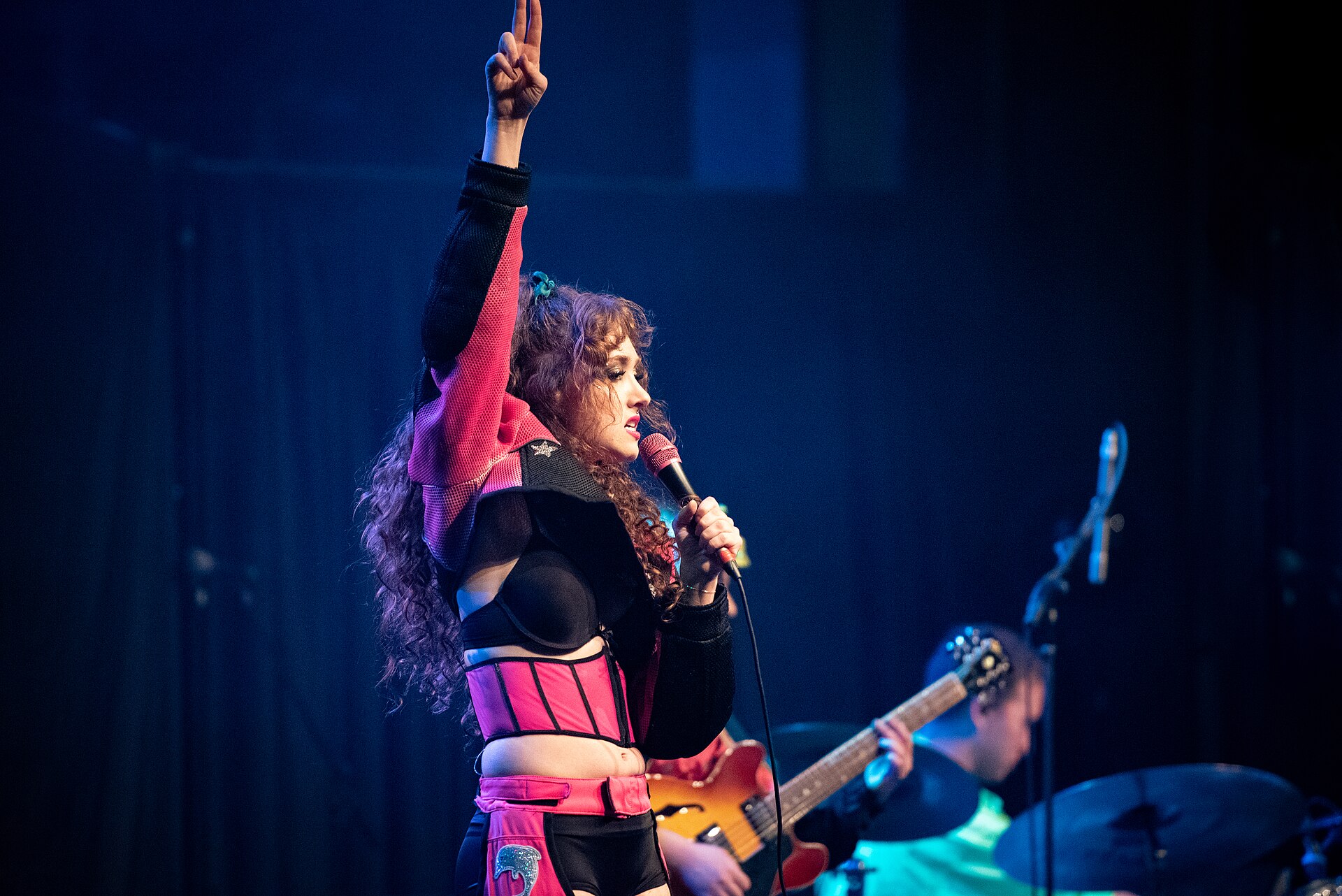
Chappell Roan performing at The Vogue Theatre, Vancouver, November 2022. Photo by Jason Martin via Flickr (CC BY-SA 2.0).
Roan is not just another pop star acting out. She’s a case study in the structural refusal to perform compliance. In 2024, she sparked fierce debate over the toxic entitlement of contemporary fan culture when, through a series of candid TikTok videos, Roan directly challenged the systemic harassment she faced in public spaces, including instances of non-consensual touching. Specifically, she stated that when she wasn’t performing on a stage, she did not owe her audience “a mutual exchange of energy.” The criticism was aimed squarely at overzealous fans who subjected her to what she described as “stalker vibes,” summarily refusing to acquiesce to the demand for perpetual accessibility just because she was famous.
This refusal to tolerate her own commodification by fans also extended to the paparazzi. During a high-profile red carpet event, an incensed Roan shouted, “You shut the fuck up!” after a male photographer aggressively barked at the young singer to “shut the fuck up,” shattering the passive expectations of the red carpet to push back against insidious industry misogyny. More recently, she filmed paparazzi harassing her during Paris Fashion Week, openly accusing them of ignoring her explicit requests for space because she felt “disregarded as a human.”
Superficially, contemporary culture appears entirely supportive of Gen Z’s progressive boundary-work. The parameters appear healthy, promoting and protecting a woman's right to be left alone in a way that older generations of women could only dream of. According to recent demographic data, a proportion of young women have taken this autonomy a step further, deliberately choosing singledom, independence, radical personal growth, and the practice of being “boy sober” over the reputed emotional trials and compromises of traditional heterosexual relationships. Truly, it represents the exact cultural shift that older generations of feminists could have only ever wished for.
Yet, the moment a young woman achieves hyper-visibility—usually in the form of fame—the public logic reverts to an antiquated, deeply gendered framework of ownership. What’s more, the modern female celebrity has far more to contend with than the traditional paparazzi of the 1990s. We now live in a digital ecosystem saturated with social media algorithms, independent content creators, and corporate influencers, all desperate to extract value from the female celebrity body. In this attention economy, everybody wants a piece of the fame pie. Celebrities are no longer just hunted by legacy photographers; they are pursued by online creators who view them as raw material for viral content.
This digital commodification frequently escalates into non-consensual, performative ambush behaviour. Recently, Ariana Grande was left visibly shaken in Singapore when a digital content creator jumped a security barricade and physically grabbed the diminutive pop star. The incident was documented and later unironically posted to the creator’s Instagram for likes. These predatory behaviours are becoming increasingly outlandish as the algorithm’s demand for viral content surges, transforming public spaces into zones of genuine physical danger for famous women.
If everyday Gen Z women are afforded the self-generated boundaries surrounding privacy and safety, why are their famous female counterparts not allowed access to those same barriers? The cultural narrative insists that, because fans ‘made’ them, then fans are owed their pound of flesh; that, because they are rich and famous, female celebs have automatically forfeited any right to privacy. Stepping out in public is treated by society not as a human right, but as a performance that the consumer has already paid for.
Further, should she choose to disallow unrestricted access, society deems it unacceptable for her to show any level of irritability, rage, or impatience while doing so. She is expected to display perpetual kindness, compliance, and generosity to all who approach her. The only culturally acceptable way for a famous woman to display public distress is through her tears, which feeds into the more comfortable, appropriate patriarchal narrative of female vulnerability.
Chappell Roan is a 20-something-year-old lesbian woman from Missouri who navigates severe anxiety. She attracted rapid global recognition—and was catapulted into the limelight—after years of working on her craft. Roan was born into a generation where female empowerment and boundaries are the norm; where it’s not only okay to say no, but to demand consent. As she and every woman—famous or otherwise—has a right to.
Stay in the niche. There's more where this came from on our newsletter...subscribe now.